






















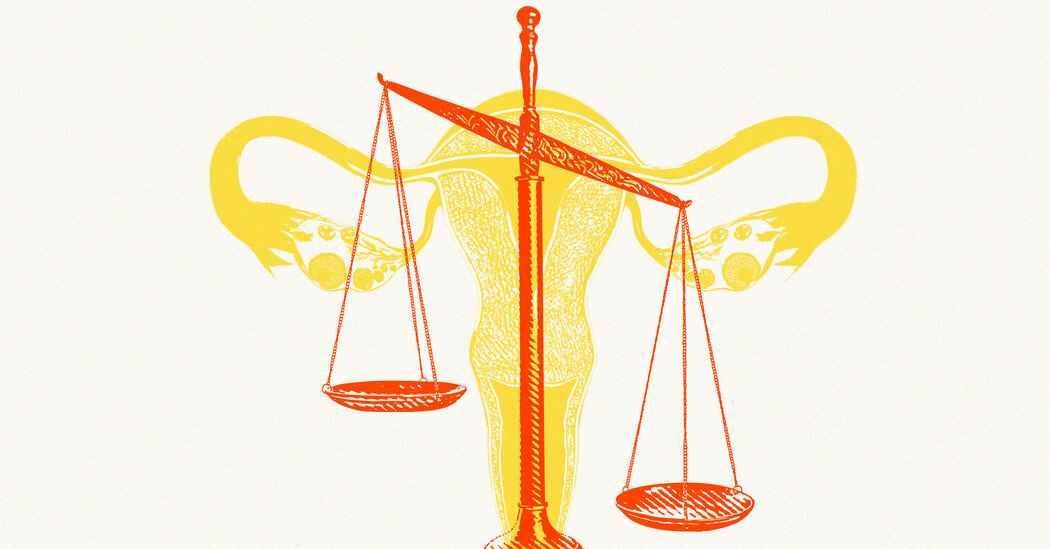
The Supreme Court in some ways resembles the Federal Reserve. Its decision makers are unelected technocrats who use arcane methods and vocabularies (“stare decisis” for the court, “zero lower bound” for the Fed). The obscurity of what they do makes it all the more important for the public to trust that whatever is happening behind the curtain is on the up and up. Yet in the latest Gallup poll data, only 25 percent of Americans polled in the weeks before Dobbs said they had a great deal or quite a lot of confidence in the Supreme Court. That was a new low in nearly 50 years of polling.
There is no one on the court today like Justice Anthony Kennedy, who, despite being a Republican appointee, was independent and often unpredictable in his jurisprudence, Epps said. Kennedy retired in 2018. “The screening is far more rigorous” now than when Kennedy joined the court in 1988, so a freethinker such as he would never get on the bench, Epps said.
Of the Republican-appointed justices on the Supreme Court, only Chief Justice John Roberts seems greatly concerned with preserving the impression that the court is apolitical. In the Dobbs case he voted with the majority in upholding a Mississippi law restricting abortion but said he would have taken “a more measured course,” stopping short of overruling Roe outright.
The Dobbs decision came one day after the Supreme Court struck down New York’s limit on carrying guns outside the home. In Dobbs, the court upheld states’ rights to restrict their citizens’ behavior, while in the New York case it did the opposite. That may appear inconsistent to supporters of abortion rights, but it’s precisely what the average Republican voter wants, said Maya Sen, a professor at Harvard Kennedy School.
“We take as a given that political actors will want a judiciary that serves their interests,” said Sen, who is the co-author with Adam Bonica of a 2020 book, “The Judicial Tug of War: How Lawyers, Politicians, and Ideological Incentives Shape the American Judiciary.” “For many Republicans this is a day of celebration, of victory,” she said.
It was James Gibson, a colleague of Epps at Washington University who is an expert on the legitimacy of the Supreme Court, who coined the “legitimacy is for losers” phrase. In a chapter in a 2015 book, he wrote: “Institutions do not require legitimacy when they are pleasing people with their policies. Legitimacy becomes crucial in the context of dissatisfaction.”